
Ned Pelger's blog on construction, design and other weirdness. Email him at ned@constructionknowledge.net
Please help him win his readership competition against his son Lex at the Construction Phone Apps Blog



I’ve been writing this blog a few times a week for five years. It feels like time to take a break.
I plan to take the time I was investing in the blog and focus on efficient cloud computing for small construction companies. If I can pull together some tips and methods that would help others, I’ll get them out to you.
So please check back on occasion to see if I’m making any progress. I’ll leave you with my photo from a sculpture park in New Orleans.
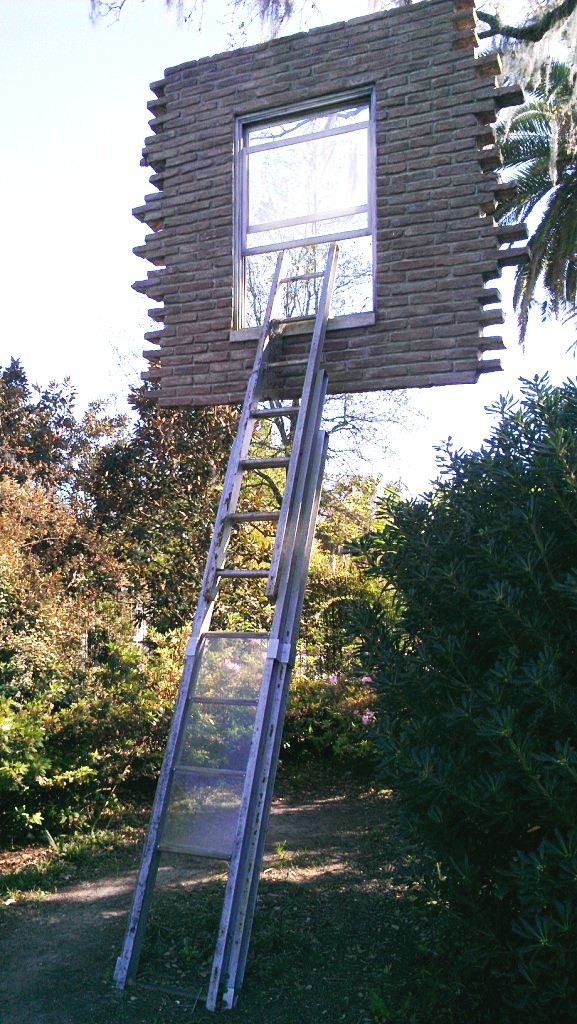
As you climb the ladder of success, make sure to pay attention to what it’s leaning against. Don’t get to the top and realize you’ve been climbing the wrong ladder.
Here’s a beautiful two minute video showing an artist following his dream.
httpv://www.youtube.com/watch?v=vLK5-InuZnI
As we decide how we will invest our time each day, let’s remember to think big. Yes, we all have project deadlines and daily stresses. But take a few moments to contemplate that this is your life being spent…today. Think about your work on your projects…can you make it much better? Could you take things to another level by taking a different approach?
Please don’t settle for ordinary execution and ordinary results. Let that guy with the camera inspire you. What long term project could change your life?
An AP story today leads with the following:
A federal commission charged with building a national memorial honoring President Dwight D. Eisenhower voted unanimously Wednesday to approve architect Frank Gehry’s design for a park near the National Mall, allowing the project to move forward over the objections of Eisenhower’s family.
Apparently Gehry was selected back in 2009 and the Eisenhower family just never liked his design. One of the committee said it well, “The family deserves to be heard, but they do not deserve to be obeyed”.
Gehry was selected by winning a design competition that included 44 entries. The design concept for the $112M US project is shown in the photo below.

This will be the first Mall memorial site that uses a phone app to intensify the experience for visitors. Wikipedia describes it below:
View historical footage, speeches, and events in the context of the physical memorial through augmented reality, akin to a video game. The off-site component is web-based and provides further information on and interpretation of Eisenhower’s legacy, including links to the six legacy organizations and information about their programs. Both components are flexible enough to be updated as the Eisenhower legacy continues to be interpreted.
We should all consider this type of component for projects we work on. Whether it’s just better info on Google Maps or a dedicated phone app, the future belongs to those that think this way. I think Ike would love it.
TBW and I were at a wedding in Cleveland last weekend. What a cool city. The Rock and Roll Museum entertained us and the downtown area had great park spaces. The Tower City Mall building had changing LED lights as shown below. Hot in Cleveland was the theme.

I also got to go on a long bike ride with my cousin Mike, proprietor of Suzy’s Soups in that Tower City Mall. When Pinera’s moved out and left all their equipment, Mike seized the opportunity and expanded his business. He employs 14 people, some from jail or treatment programs, that would struggle to find other jobs. His business is his ministry.
As Mike and I biked the city parks at sunrise, he proudly showed the city’s beauty. Being an engineer, though, I was fascinated by this view under some old bridges.
httpv://www.youtube.com/watch?v=ezTxsIv5D28&feature=youtu.be
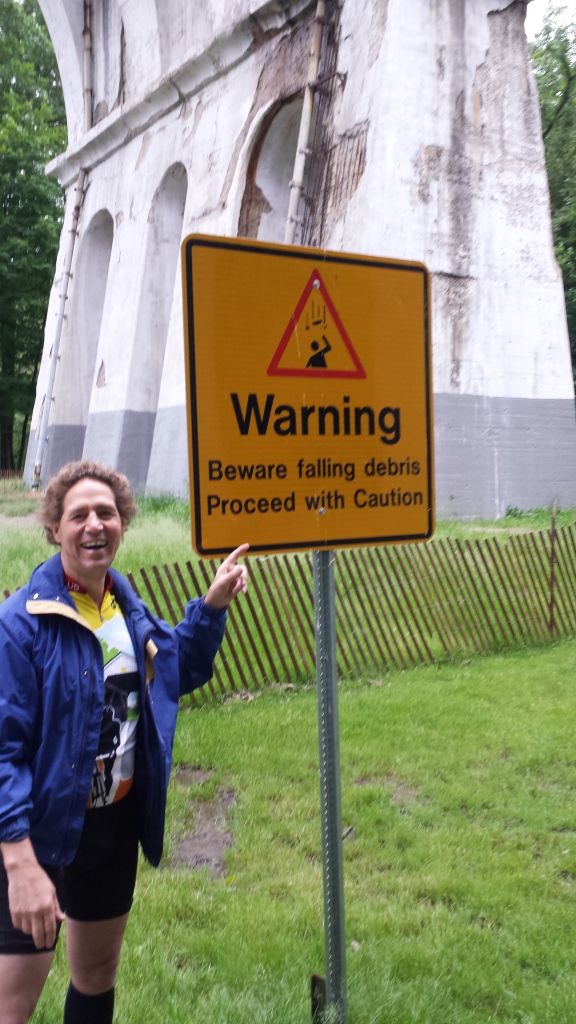
The sign below describes our nation’s policy on infrastructure repair.
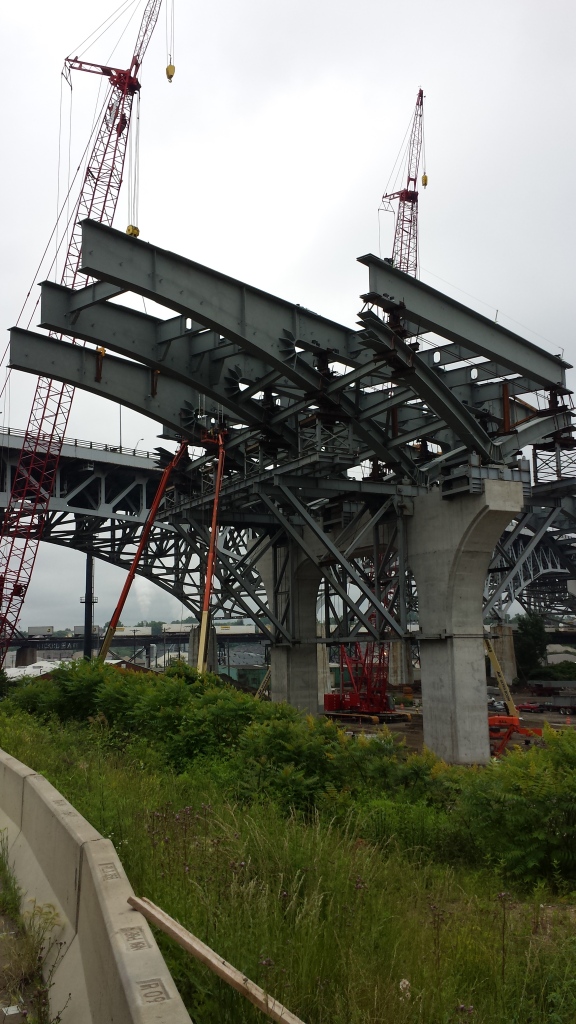
Not to be too pessimistic, though, I should also show the cool bridge construction project that was happening a couple miles away. I love to see the spans reaching out from the columns.
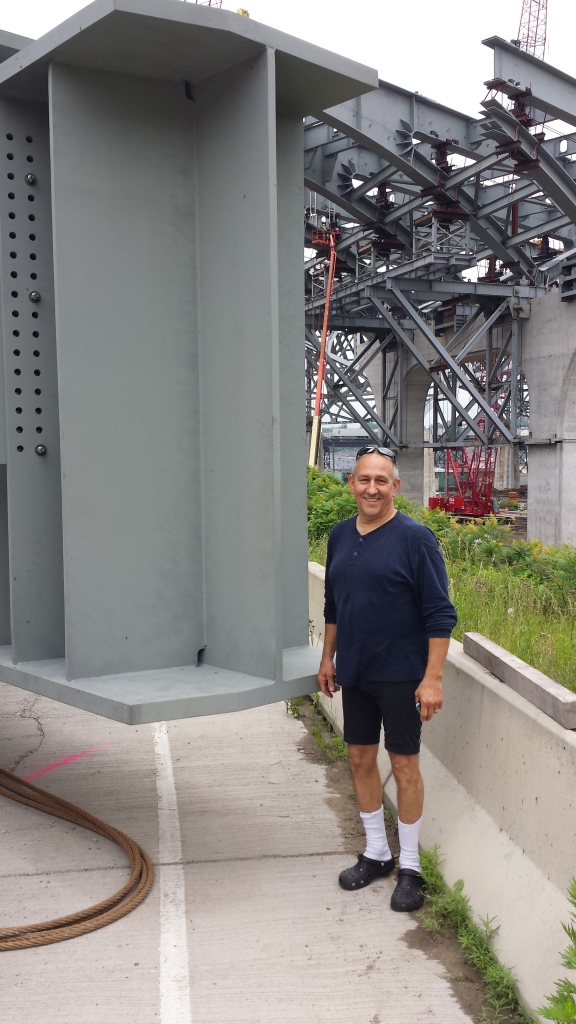
To give a sense of the girder size, check this photo and Mike and the Beam.
In another happy surprise, I noticed the red trucks with yellow wheels of High Steel Structures, Lancaster, PA that fabricated and delivered this steel. I worked for their sister company as a young project manager. It’s always nice to be away on vacation and see someone from home.
Saw this article today about the US Bureau of Ocean Energy Management proposing a major wind energy installation off the North Carolina Outer Banks. Located just six miles from beach towns Nags Head, Kill Devil Hills, Kitty Hawk, Southern Shores and Duck, these windmills would be visible during the day and have red blinking safety lights at night. Needless to say, the locals oppose the plan.
I spent the weekend in Cleveland and saw lots of windmill out there. From a solitary turbine at the Science Museum (that seemed more show than function) to various wind farms visible along the drive. Having never worked on any wind energy projects, I wonder about the true economics.
Is it like photo-voltaic solar, not remotely close to being economical without big government incentives? Or does the almost constant wind in some locations allow the installations to actually make energy sense?

It’s so difficult to get a straight answer to that type question. Seems everyone writes from their predetermined perspective. Do any of my readers have any insights into this?
I’m trying to understand the players in the Philly building collapse, but it’s a challenge when the reporters don’t seem to understand and the attorneys jockey for position. From what I can tell, the building owner hired Griffen Cambell as demolition contractor for $122,000 to demolish this four story building on the left.
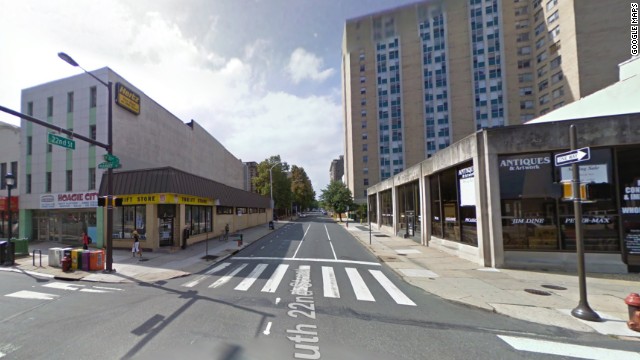
Then Griffen Cambell hired Sean Benschop to operate a hydraulic excavator. Apparently Benschop tested positive for cannabis and Percocet after the accident and now sits in jail with no bail. He faces 6 counts of involuntary manslaughter.

Griffen Campbell and the building owner were both on site at the time of the collapse, but their attorney says they didn’t know that Benschop was performing demo work. They thought he was only cleaning up debris. Of course, that’s a ludicrous statement.
They also stated that the building was to be torn down by hand, brick by brick. But there was no scaffolding on the job…just a hydraulic excavator pulling down the walls.
The workers in the adjacent Salvation Army retail store apparently complained about bricks falling on the roof for the past few days. It’s also reported that OSHA and the City building officials were on site previously and didn’t stop the demolition.
Seems to me that lots of folks had the opportunity and responsibility to say “No”, but none had the strength of convictions or the courage. Take the time now to think about this type situation. Prepare yourself to make that hard call if you find yourself in that position.
Somebody will lose some money, people will be mad at you, and you won’t know for sure if you are right or just being too cautious. But don’t be a coward and walk away from the hard decision, just hoping everything will fall right. When it doesn’t, it’s a big deal.
Came across this photo (thanks Kneal) and thought, “Wow, that guy was good!”
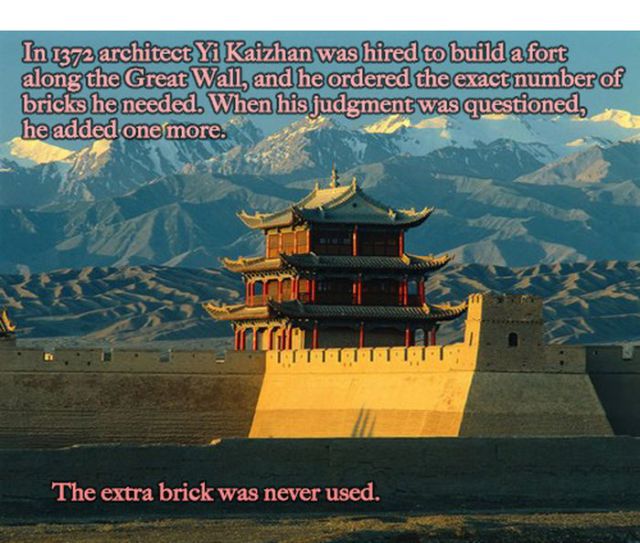
Then I considered the pile of bricks we clean up after the masonry work is done. Could he really have designed the building so not one brick had to be cut? Wasn’t there any bricks made wrong? None got taken home for a patio project?
At 55, I’m finally getting just a wee bit skeptical. TBW would say that it’s long overdue. She wonders how long my Pollyanna world view can continue.
Oh what the heck, maybe that architect really did get it just right. It’s worth believing just to continue to annoy TBW.
Do you remember cramming for an exam back in your school days? Do you recall that stress of trying to get all that information lined up properly in your head so it could spill out onto the test paper?
As I read G.K. Chesterton in my prayer time this morning (check out that hair),
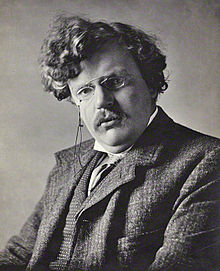
I came across his definition of cramming. In The Universe According to K.K. Chesterton, he wrote:
Cramming: the tendency of a man to give everything to what he is studying except time, patience and reverence. It is a great mistake to suppose that people only cram for examinations; they cram for culture, they cram for success in life, they cram for Imperial wars, and morally and spiritually speaking, they cram for the Day of Judgment.
I’ll leave the Day of Judgment to you, but let’s talk about cramming for success in life and work. Do you give time, patience and reverence for the most important things? Do you even know the most important things?
I challenge you (and me) to invest time to live an examined life. Think about what things will help you move from where you are to where you want to be. Make a plan, then devise some strategies for the various ways your plan will likely fail.
Remember, failure doesn’t really matter. Your response to failure does.
If you want some worksheets to help you devise a plan, download this free copy of Joyful Living: Build Yourself a Great Life!
Six people died yesterday in Philadelphia when a 4 story building being demolished collapsed on the adjacent Salvation Army Thrift Store.
“You felt it shake,” Jordan McLaughlin told CNN affiliate KYW. “There was people that actually fell over. People started screaming, they ran across the street. There was people inside the building, you heard them scream.”
He said he helped two people out of the building. Other bystanders, including construction workers, helped four or five others out in the moments after the collapse.
This first photo from Google Maps shows the street view before the building collapse.
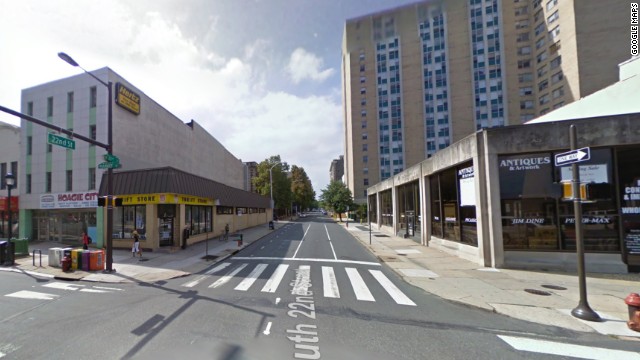
While the next photo shows the rubble. Imagine shopping in that Thrift Store at the time of the collapse?
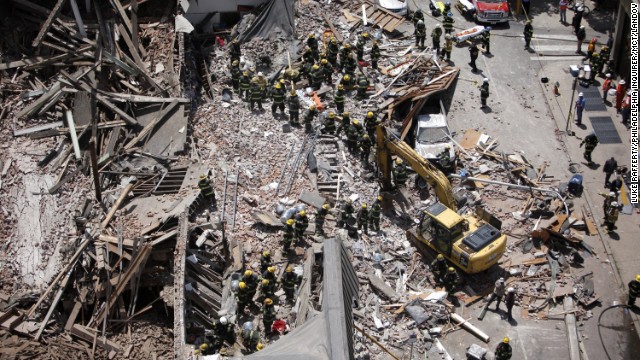
The crews demolishing the 4 story building certainly felt they were proceeding in a safe manner. But then the unexpected happened.
The day before, I got called to look at a wood frame renovation project we’re doing, because the structure wasn’t normal. As we stood there looking at what we saw vs what we had assumed, I kept asking the opinion of Andy Hess, the project superintendent. Andy looks like a big old biker (which he is), but knows more about how wood structures actually work than I ever will. His practical knowledge trumps my theoretical knowledge.
I’m glad I learned, early in my career, to ask lots of questions of the folks doing the work and to listen intently and respectfully to their answers. They don’t always say it in the clearest manner, but the best insights and solutions often come from these guys.
Arrogance on the jobsite is always the wrong approach.
An AP article leads with the headline, Thousands of U.S. Bridges at Risk of Freak Collapse. Apparently, almost a quarter of US bridges are now deemed structurally deficient. That means the bridge has been inspected and a portion is in bad repair or deteriorated. These 66,749 bridges are on the books for needed repairs.
The Freak Collapse idea, though, comes from another sort of design problem. Many bridges were designed to work only if each of the components works. In other words, they don’t have a redundancy in their design, allowing one component to fail but still keeping the bridge from falling.
For example, the Interstate 5 bridge over the Skagit River north of Seattle recently collapsed because an oversized truck clipped one of the trusses. The photo below shows the dropped span. A redundant design would prevent the complete failure if one component fails.
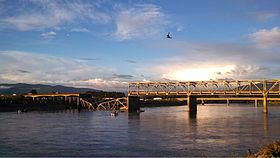
Of course, redundant design costs more to construct. So many efficient engineers designed and constructed the lowest cost structures that met the design code. They call these “Fracture Critical Bridges” and many states still allow this type of design.
The fascinating question, “How cautious do we want to be?” needs to be answered again and again. We need to address it as a society and as individuals.
I’m designing a 90′ high building right now and contemplating how much redundancy to put into the steel beam hanging grid just below the roof. I want to keep the cost low, but what if one of those welds fails in a few years. 90′ drops don’t end well.
We all need to consider how we live our lives. How much do we move to security and how much to efficiency/freedom? Where do you tend to land?
Ned Pelger's blog on construction, design and other weirdness. Email him at ned@constructionknowledge.net
Please help him win his readership competition against his son Lex at the Construction Phone Apps Blog
